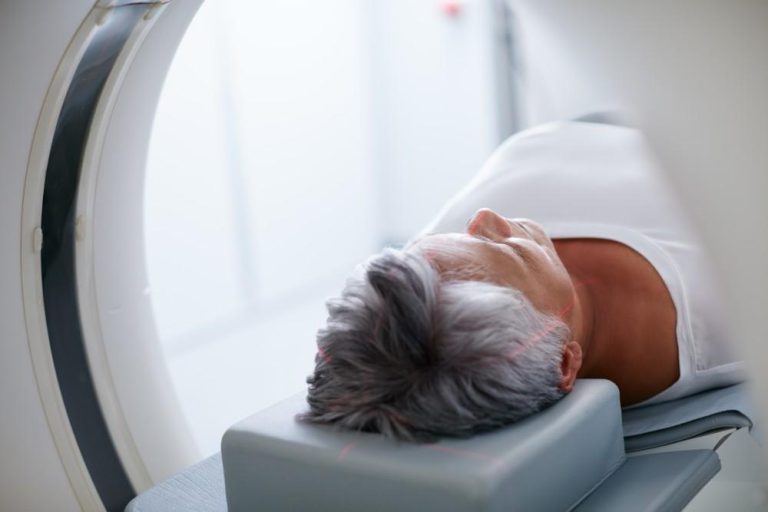
How Does an MRI Work for Someone with Claustrophobia?
Do enclosed spaces cause you panic? Discover Open MRI. It ensures a comfortable, fear-free exam experience.
Do enclosed spaces cause you panic? Discover Open MRI. It ensures a comfortable, fear-free exam experience.

Whiplash causes sharp, often severe pain and can be debilitating if not properly evaluated and treated in the early stages. Learn how whiplash happens and why an MRI is an important part of diagnosis and recovery planning.
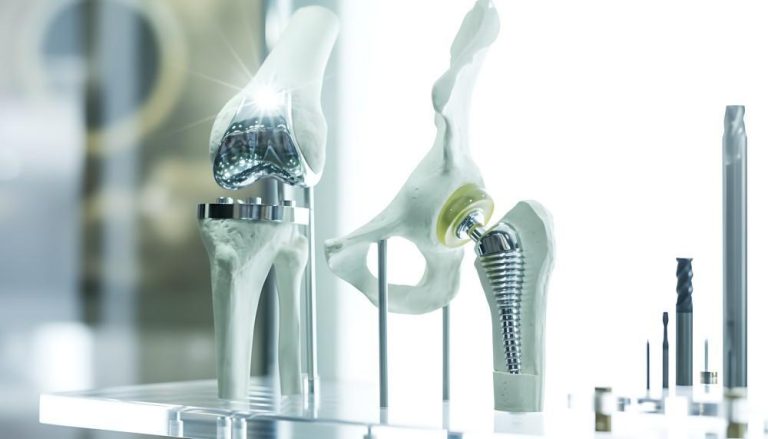
After your hip replacement, you expected a pain-free life, not lingering irritation months or years later. If you’re wondering about the next steps, you’re in the right place. Here’s what you need to know about hip MRIs.

If the idea of lying inside a narrow, enclosed tube makes your heart race, a traditional MRI probably isn’t for you. For people with claustrophobia, open MRI machines are changing the MRI experience.
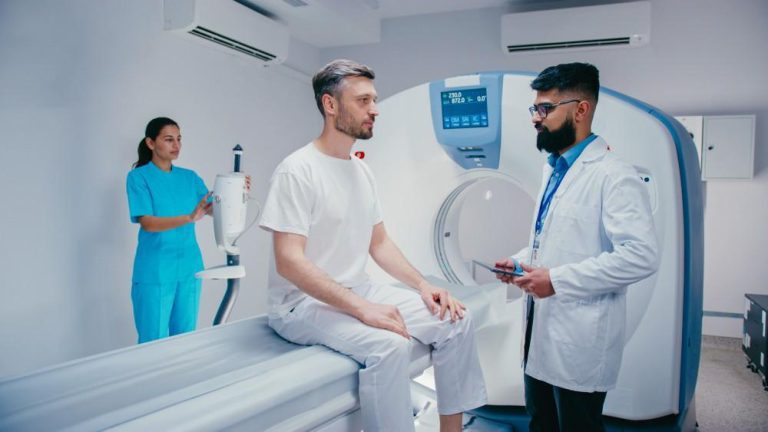
Whether your back pain is dull, sharp, shooting, or burning, there’s a clear-cut cause behind it. An MRI is the key to finding it and getting relief. This painless, radiation-free exam can precisely evaluate these six spinal problems.
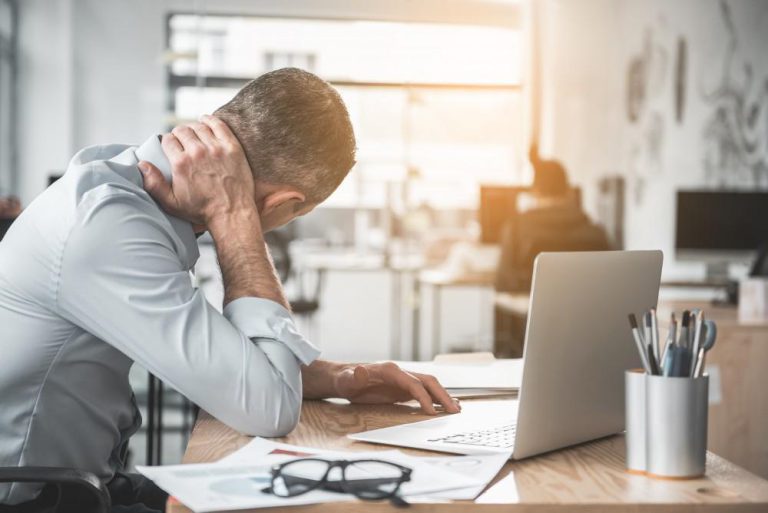
Chronic neck pain can wear you down physically, mentally, and emotionally. If yours isn’t improving or you’re unsure of the cause, an MRI can reveal what’s really going on so you can get the right treatment and lasting relief.

Are your achy, creaky joints slowing you down? Don’t guess about osteoarthritis damage — get answers. High-tech tools like MRIs and X-rays help us detect joint damage. But how do they compare? Let’s break it down.

Car accident? Slip and fall? Just because you feel fine now doesn’t mean you’re injury-free. Injuries like whiplash can take days to appear, and by then, the damage is done. A post-accident MRI uncovers hidden injuries early.
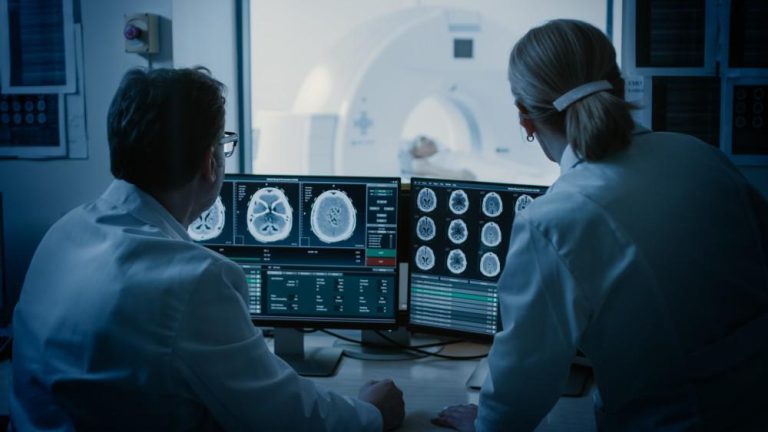
Whether it’s sudden, sharp back pain or a nagging, dull ache that never goes away, you can’t get better unless you identify the source of your problem. That’s where a back MRI can help.

Neck injuries are frustrating. It’s not just the discomfort; it’s the uncertainty of not knowing what’s wrong or how to fix it. You shouldn’t have to live with the pain or the questions. A neck MRI offers solutions.
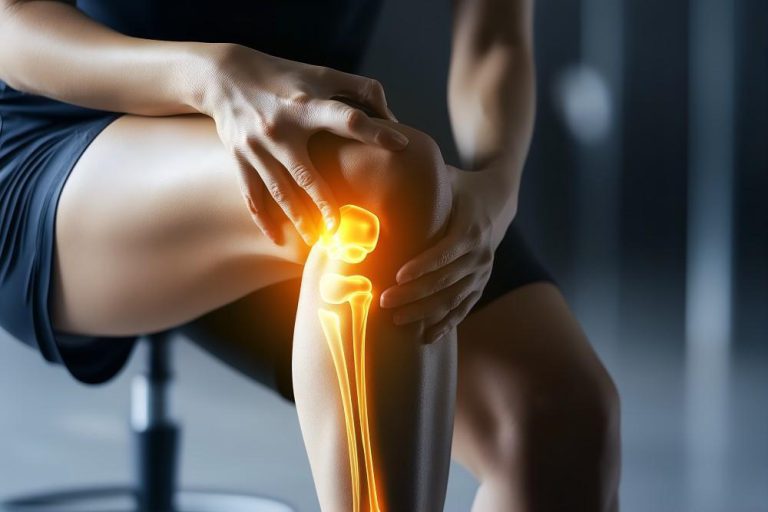
Advanced imaging techniques, like magnetic resonance imaging (MRI) with the state-of-the-art Hitachi Airis II open MRI machine, offer deep insights into the root cause of joint pain and guide effective treatment options. Learn more here.

Feeling anxious about your first MRI? You’re not alone! While MRIs are a safe and common imaging test, it’s natural to feel a little nervous. Understanding what to expect and learning a few tips for preparation can help put your mind at ease and ensure a s

Feeling anxious before a medical imaging procedure, especially an MRI, is completely normal. Many of us feel uncertain about what to expect, but understanding the process can make it much easier.
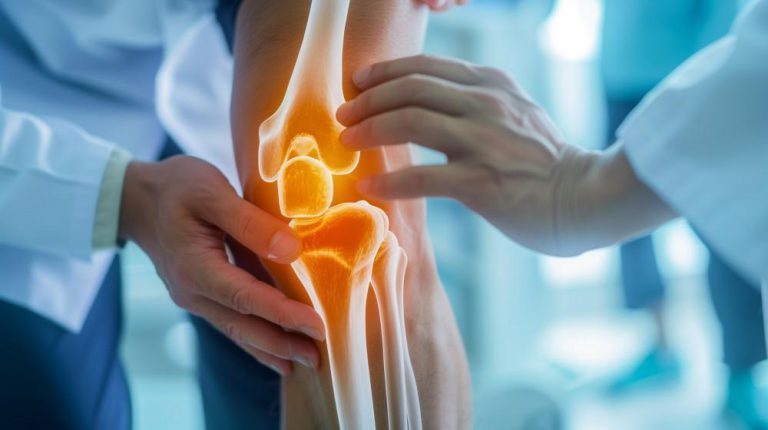
Joint pain can derail your daily routine. Climbing stairs, rising from sitting, or reaching up can become difficult or impossible. If you’re frustrated with these limitations, an MRI for joint pain can be the first step toward relief.
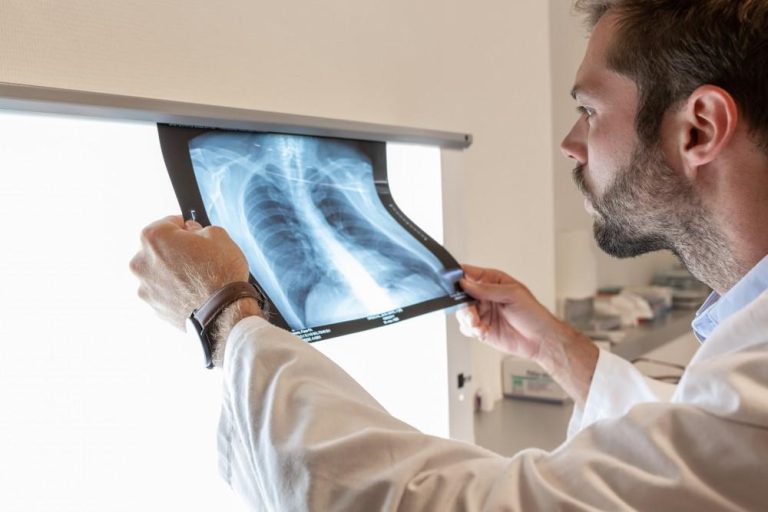
Accurate diagnoses are essential in understanding and addressing health issues. But sometimes, your initial diagnosis might leave you with more questions than answers. The best next move is an expert second opinion from a subspecialty radiologist.
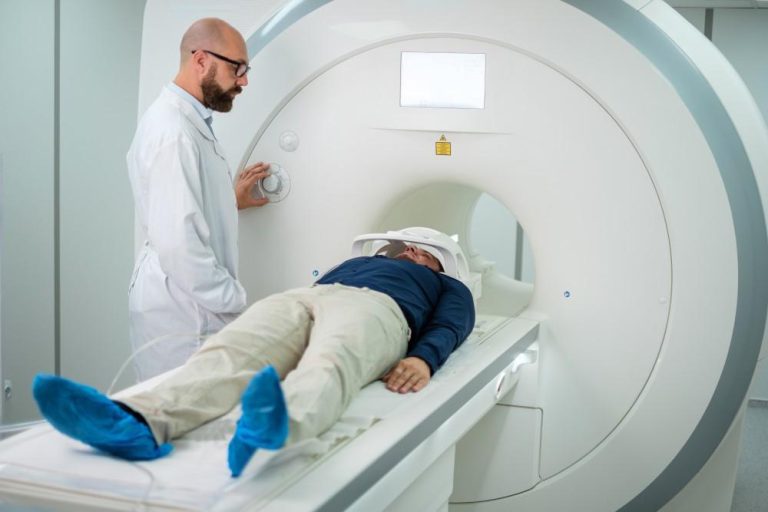
Did your doctor request a neck or back MRI? The procedure might sound a little intimidating at first, but we have great news. MRIs are more advanced than ever, leading to less stress and more comfort for you as the patient.
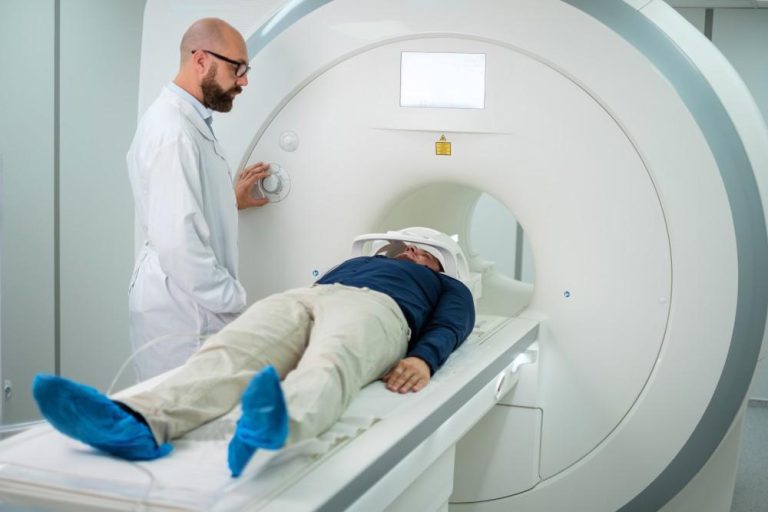
If you struggle with claustrophobia, going into a magnetic resonance imaging (MRI) machine might sound less than ideal. But choosing an open machine and pairing it with these tips and tricks can help to ease your discomfort.